Source eco friendly concrete flower pot for Home, Garden, and Patio
Compare 30 listings for eco friendly concrete flower pot options suitable for home decoration, garden landscaping, and floor placement. Buyers can review specifications like size, material, and customization availability from verified suppliers.
Key considerations
Products List

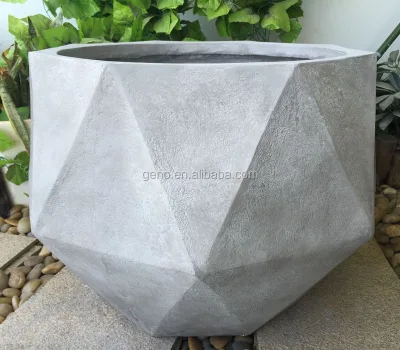


$3.52 - $10.00
Moq: 100






Comprehensive Sourcing Guide
Eco Friendly Concrete Flower Pot Sourcing Guide
Sourcing eco-friendly concrete flower pots requires a nuanced understanding of material science, supply chain transparency, and aesthetic versatility. While traditional concrete is often perceived as heavy and carbon-intensive, modern manufacturing techniques have introduced lightweight, high-intensity alternatives that maintain the structural integrity and rustic appeal of natural stone. Buyers must distinguish between traditional cast concrete, which relies on cement and aggregates, and composite materials such as fiberglass-reinforced concrete or polymer-modified mixes that offer reduced weight and enhanced durability. The term "eco-friendly" in this context often refers to the use of recycled aggregates, low-carbon cement formulations, or durable materials that reduce the need for frequent replacement. However, without specific certification data from the supplier, buyers should treat "eco-friendly" claims as marketing descriptors rather than verified environmental performance metrics.
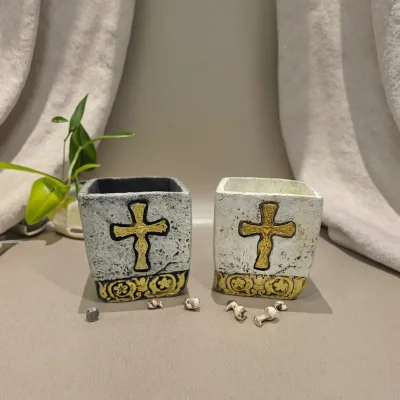
The procurement landscape for these products is diverse, ranging from large-scale outdoor garden installations to delicate indoor decorative pieces. Observed market listings indicate a wide variance in product types, including cylindrical polygonal planters, round ceramic-look pots, and hand-carved decorative items. This diversity necessitates a clear definition of project requirements before engaging with suppliers. Whether the goal is to furnish a commercial lobby with modern, minimalist planters or to landscape a residential garden with traditional Chinese-style concrete pots, the sourcing strategy must align with the specific material properties, weight constraints, and aesthetic finishes required. Understanding these distinctions is critical to avoiding mismatches between supplier capabilities and buyer expectations.
Product Scope and Observed Listing Signals
The current market offers a broad spectrum of flower pots that blend traditional concrete aesthetics with modern manufacturing efficiencies. Listings frequently highlight products described as "large Chinese outdoor flower pots" or "garden concrete pots," which often feature hand-carved details and painted finishes to mimic natural stone or marble textures. These items are typically designed for floor applications in outdoor or semi-outdoor environments, emphasizing durability against weather elements while providing a high-intensity, lightweight alternative to solid stone. The observed product range includes models with circular patterns and cylindrical polygon shapes, catering to both modern and traditional design preferences. Buyers should note that while the visual appearance may suggest heavy concrete, many of these products utilize fiberglass or composite cores to reduce shipping costs and structural load.
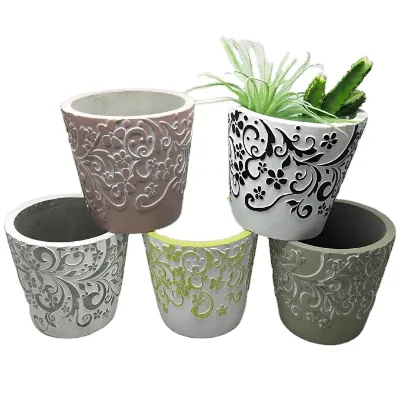
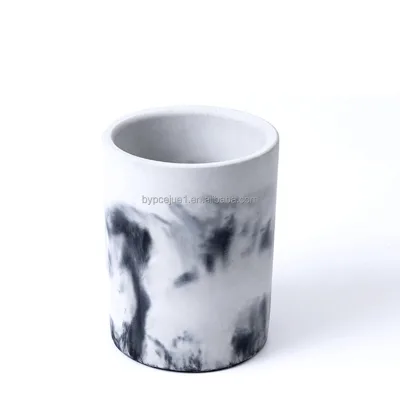
In addition to large outdoor planters, the market also includes smaller, desktop-sized options that prioritize aesthetic versatility over heavy-duty weather resistance. These smaller pots, often made from ceramic or ceramic-look materials, are designed for home furnishing and indoor plant display. They come in various colors, including blue and marble tones, and are packaged in standard cartons for efficient logistics. The presence of both large-scale outdoor planters and small indoor decorative pots in the same supplier catalogs indicates a flexible manufacturing capability. Buyers should carefully review product specifications to ensure that the material composition matches the intended use case, as indoor ceramic pots may not withstand the freeze-thaw cycles required for outdoor concrete planters.
Technical Specifications to Verify
Material composition is the most critical technical specification to verify when sourcing concrete or concrete-look flower pots. While many products are marketed as "concrete," they may actually be fiberglass-reinforced plastic (FRP) or polymer-modified cement composites. These materials offer significant advantages in weight reduction and impact resistance, making them suitable for high-rise balconies or large-scale installations where structural load is a concern. Buyers must request detailed material breakdowns to confirm the ratio of cement, aggregate, and reinforcing fibers. Additionally, the finishing process, such as hand-carving or painting, should be verified to ensure consistency in aesthetic quality. Hand-carved details can add significant value but may also introduce variability in dimensions and surface texture, which requires strict quality control measures.
Dimensional accuracy and packaging specifications are equally important for logistics and installation planning. Observed listings provide specific dimensions, such as 63.5x63.5x46 cm for larger planters, with custom sizes often available to meet project-specific needs. Buyers should verify the single package size and gross weight, as these factors directly impact shipping costs and handling requirements. For instance, a single gross weight of 20 kg for a planter suggests a substantial product that may require specialized handling equipment during unloading. Furthermore, the packaging method, whether safe export packaging or standard cartons, must be assessed for its ability to protect the product during transit. Damage prevention is crucial, especially for products with delicate hand-carved details or painted finishes that can be easily chipped or scratched.
Compliance and Safety Documentation
Compliance with social responsibility standards is a key consideration for many global buyers, particularly those in the home decor and landscaping sectors. The Business Social Compliance Initiative (BSCI) certification is frequently cited in supplier profiles, indicating adherence to ethical labor practices and workplace safety standards. While BSCI certification does not directly relate to the environmental impact of the concrete material itself, it provides assurance regarding the social governance of the manufacturing facility. Buyers should request current BSCI audit reports to verify the supplier’s commitment to ethical sourcing and labor rights. This documentation is particularly important for brands that have strict corporate social responsibility (CSR) policies and require transparency throughout their supply chain.
Environmental certifications, such as ISO 14001 for environmental management or ISO 9001 for quality management, are often mentioned in supplier backgrounds but should be treated with caution. These certifications indicate that the supplier has established management systems for environmental impact and quality control, but they do not certify the specific product as "eco-friendly" in terms of carbon footprint or material recyclability. Buyers should verify the validity of these certifications and request evidence of their application to the specific production lines used for flower pots. Additionally, buyers should inquire about the source of raw materials, such as whether recycled aggregates are used in the concrete mix, to better assess the environmental credentials of the product.
Cost Drivers and Commercial Terms
The cost of concrete flower pots is influenced by several factors, including material composition, customization level, and order volume. Customization is widely available, allowing buyers to specify dimensions, colors, and finishes to match their design requirements. However, custom orders often come with higher minimum order quantities (MOQs) and longer lead times. Observed listings indicate MOQs ranging from 100 to 300 pieces, with some suppliers offering flexible terms for smaller orders. Buyers should negotiate MOQs based on their project scale and inventory capacity, keeping in mind that smaller orders may incur higher per-unit costs due to setup and production inefficiencies.
Lead times and shipping terms also play a significant role in the total cost of ownership. Standard lead times for customized concrete pots can extend up to 60 days, reflecting the curing time required for concrete products and the complexity of hand-finishing processes. Buyers must plan their procurement cycles accordingly to avoid stockouts or project delays. Shipping costs are another major variable, as concrete and concrete-look products are heavy and bulky. FOB ports such as Xiamen are common, and buyers should consider the transportation mode, whether by sea or air, based on urgency and budget. Sea freight is generally more cost-effective for large orders, while air freight may be necessary for urgent, smaller shipments.
Supplier Qualification and Quality Control
Supplier qualification should begin with a thorough review of their manufacturing capabilities and quality control processes. Buyers should verify the supplier’s experience in producing concrete or composite flower pots, particularly for the specific style and size required. Factories with in-house molding and finishing capabilities are preferable, as they can ensure greater consistency in product quality and faster response to design changes. Additionally, buyers should assess the supplier’s ability to handle custom orders, including their design support and prototyping services. A supplier with a robust R&D team can help refine product designs to optimize material usage and reduce costs without compromising aesthetic appeal.
Quality control measures must be clearly defined and enforced throughout the production process. For hand-carved and painted products, visual inspection is critical to ensure that defects such as cracks, uneven surfaces, or color mismatches are identified and corrected before shipment. Buyers should request pre-shipment inspection reports or arrange for third-party inspections to verify product quality. Furthermore, packaging integrity should be checked to ensure that products are protected against damage during transit. Suppliers who use safe export packaging, such as reinforced cartons or wooden crates, demonstrate a commitment to product safety and customer satisfaction. Establishing clear quality standards and inspection protocols is essential to maintaining brand reputation and minimizing returns.
Long-Term Procurement Checks
Long-term procurement success depends on establishing a sustainable and reliable supply chain for concrete flower pots. Buyers should conduct regular supplier audits to ensure ongoing compliance with quality, social, and environmental standards. These audits should cover not only the final product but also the raw material sourcing and manufacturing processes. By maintaining a close relationship with suppliers, buyers can stay informed about new material innovations and production techniques that may offer cost savings or improved performance. Additionally, buyers should monitor market trends and competitor offerings to ensure that their product selection remains competitive and aligned with consumer preferences.
Inventory management and demand forecasting are also critical for long-term procurement efficiency. Given the long lead times associated with customized concrete products, buyers must accurately predict demand to avoid excess inventory or stockouts. Implementing a just-in-time (JIT) inventory system may be challenging due to production cycles, so buyers should consider maintaining a buffer stock of popular standard sizes and colors. Furthermore, buyers should evaluate the supplier’s flexibility in handling rush orders or design changes, as market demands can shift rapidly. By building a resilient supply chain with clear communication channels and contingency plans, buyers can mitigate risks and ensure consistent product availability for their customers.
FAQs
Can I customize the size of the flower pot?
Yes, custom sizes are available for this product. The standard dimensions are 63.5 by 63.5 by 46 cm, but you can request specific measurements to fit your unique space requirements.
What is the minimum order quantity for this item?
The standard minimum order quantity is 300 pieces. However, some suppliers may accept orders as low as 100 pieces, though this is not strictly required and depends on the specific vendor.
How long does it take to receive the order?
The typical lead time for this product is 60 days. This duration accounts for production and preparation, so you should plan your inventory accordingly to avoid delays in your project timeline.
Which certifications do the manufacturers hold?
The product page lists BSCI certification as a high-confidence fact for these suppliers. This indicates compliance with social compliance standards, which is often required for international trade and ethical sourcing.
What material is used for the large outdoor pot?
The large outdoor flower pot is made from fiberglass, which offers high intensity and light weight. This material ensures durability for outdoor use while being easier to handle than traditional concrete.
Where are these flower pots manufactured?
These products originate from Xiamen, China, with some production also located in Fujian. The FOB port for shipping is Xiamen, facilitating logistics for buyers in various global regions.
Is the product suitable for floor placement?
Yes, the application is specifically designed for floor use. It is suitable for home decoration and can hold flowers or green plants in various indoor or outdoor settings.